
The check-ride is an important milestone in aviation. I remember my private pilot check-ride pretty vividly. I also remember some of the things that really helped me pass. After a good amount of thinking, I realized that every tip I have to offer can be boiled down to five things: know yourself, know your aircraft, know where to find the answers, know the area, and know your examiner. These five things will absolutely help your check-ride.
Know Yourself
The check-ride, especially your first, is widely held as one of the most nerve-wracking things to which humans voluntarily submit themselves. The net effect is that come check-ride day, it is very easy to succumb to nerves and mess up even the simplest things. I went from being a student pilot confident in my abilities to a babbling fool in less than four seconds. This is why it is important to know yourself. You have to hammer at any weak areas until you have completely mastered them. The best thing you can do to get an understanding of your weak areas is mock check-rides. Do them with your instructor and do them with completely different instructors. The idea is that another instructor can yield fresh ideas and point out things that might go unnoticed between common flying partners. The bottom line is–you will be nervous and you will mess up; the more second nature everything is, the better you will perform.
Know Your Aircraft
It is exceptionally important to know is your aircraft. Every single aircraft is different–even aircraft of the same make and model. Each has distinct handling characteristics and problem areas. You need to know exactly what the aircraft is going to do in nearly every situation. Otherwise, you are asking to be caught out in the cold on a check-ride. This is why it is important that you pick a plane and stick with it for your training. You need to know the aircraft on the ground and in the air like the back of your hand. This starts with the preflight and equipment. Make sure you know what everything is, what it should look like, and what function it performs. You should know every piece of equipment in the cockpit. You are trusting your life and that of any passengers to this machine, you better know how it works.
Know Where to Find the Answers
Now that I’ve made the check-ride sound scary, I’d like to point out that it is open book. You don’t have to know everything. The bottom line is, if you walk into the check-ride and you get hung up on something you can look it up. Unfortunately, spending 4 hours flipping through every book man ever wrote on flying isn’t going to impress anyone. Don’t let the check-ride be the first time you crack open a Pilot’s Operating Handbook or FAR/AIM. Walking into the check-ride without knowing where to find the answers is as good as never knowing in the first place and that is the fastest way to fail the oral exam–so long pilot certificate!
Know the Area
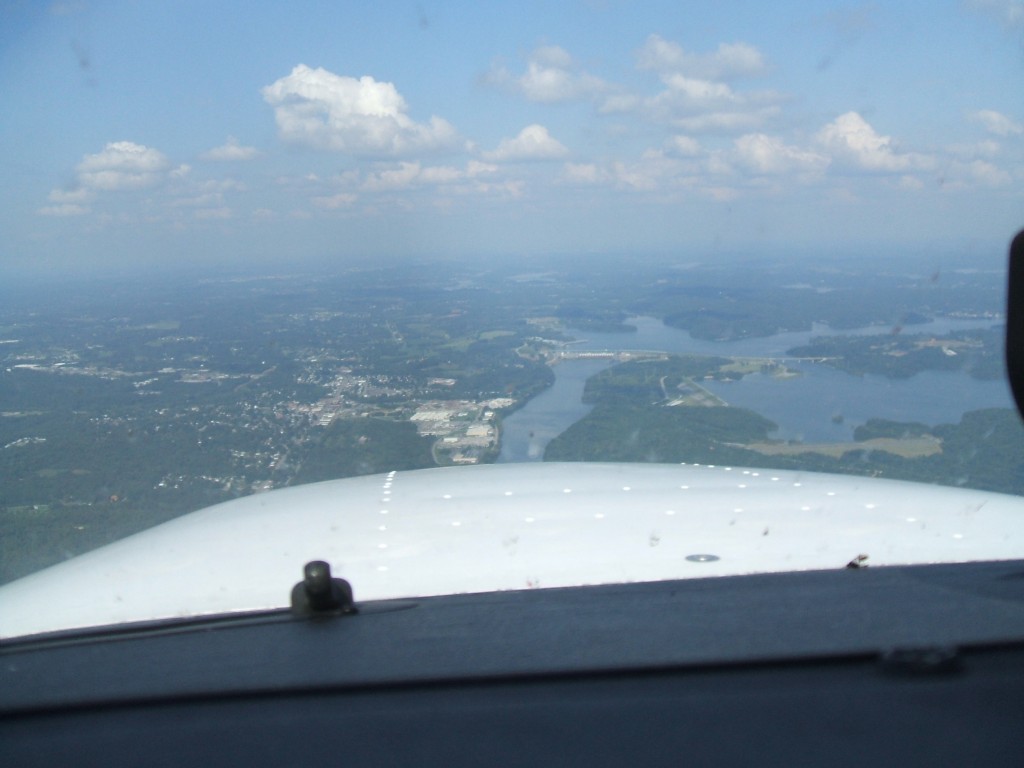
When flying, the world takes an entirely different form. I remember the first few flights I took were spent trying to identify ground reference points. I would try to track them down in the car, but nothing ever looked the same. This is why it is incredibly important that you know the airport, practice area, and common checkpoints for the area you will be flying your check-ride. The more familiar you are with these facilities, the easier it will be to perform tasks on the check-ride day when you are distracted and nervous. For example, my familiarity with the area allowed me to point out a checkpoint to the examiner and set a course back to the airport without having to reference my sectional.
Know Your Examiner
Perhaps the least standard item is to know your examiner. Things to ask other people about include: the examiner’s preferences and possible problem areas from their check-rides. For example, the examiner for my check-ride hates electronic E6Bs. Since I knew this going in, I made the extra effort to learn and use the analog. Similarly, there were some items that were of particular focus on the oral portion of the exam that I was made aware of. This enabled me to better study those subject areas.